Published on
December 30, 2025

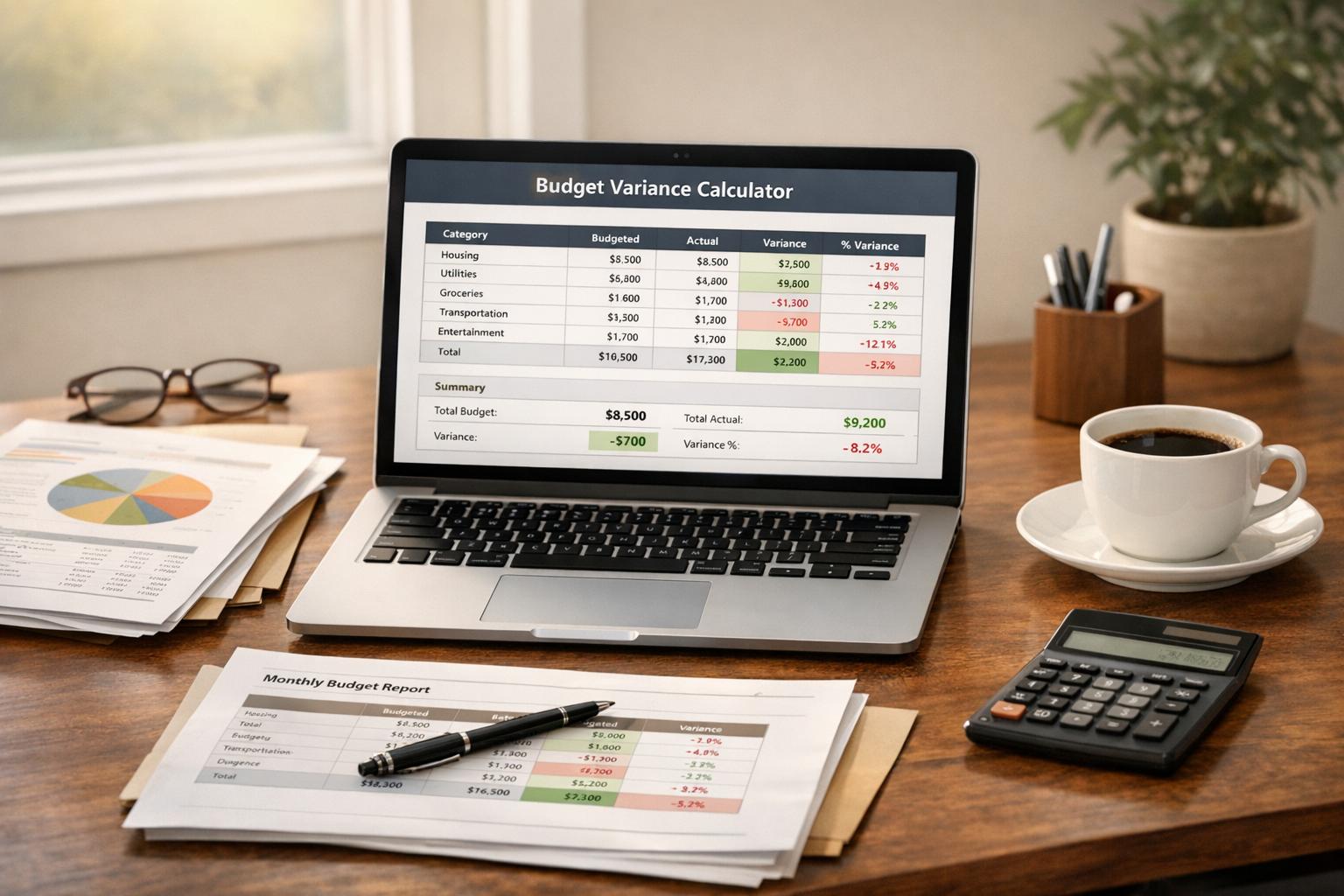
Managing money can feel like a juggling act, but it doesn’t have to be. Whether you’re trying to save for a big goal or just keep daily expenses in check, understanding where your cash flows is key. That’s where a tool to analyze budget differences comes in handy. It’s a straightforward way to compare what you planned to spend against what you actually did, giving you a clear picture of your financial health.
When you break down your spending into categories like rent, groceries, or entertainment, you start to see patterns. Maybe you’re consistently overspending on dining out but saving on utilities. Identifying these trends helps you adjust before small oversights turn into big problems. A calculator designed for this purpose does the heavy lifting, showing you at a glance whether you’re ahead or behind. Plus, it’s not just about numbers—it’s about peace of mind. Knowing where you stand empowers you to make informed decisions, whether that’s cutting back or reallocating funds to what matters most. Start tracking today and turn financial guesswork into confidence!
A favorable variance means you spent less than you planned for a category. For example, if you budgeted $500 for groceries but only spent $450, you’ve got a favorable variance of $50. It’s a little win for your wallet, showing you’re under budget in that area!
Absolutely! While it’s great for personal budgets, this calculator works just as well for small business expenses. You can track categories like office supplies, marketing costs, or utilities. Just input your planned and actual amounts, and you’ll get a clear breakdown of where you stand.
No worries, but the tool won’t calculate results with empty fields. If you skip an input—like forgetting to add an actual spending amount—it’ll prompt you to fill in all the details. This ensures the results are accurate and meaningful for every category you track.