Published on
June 1, 2026

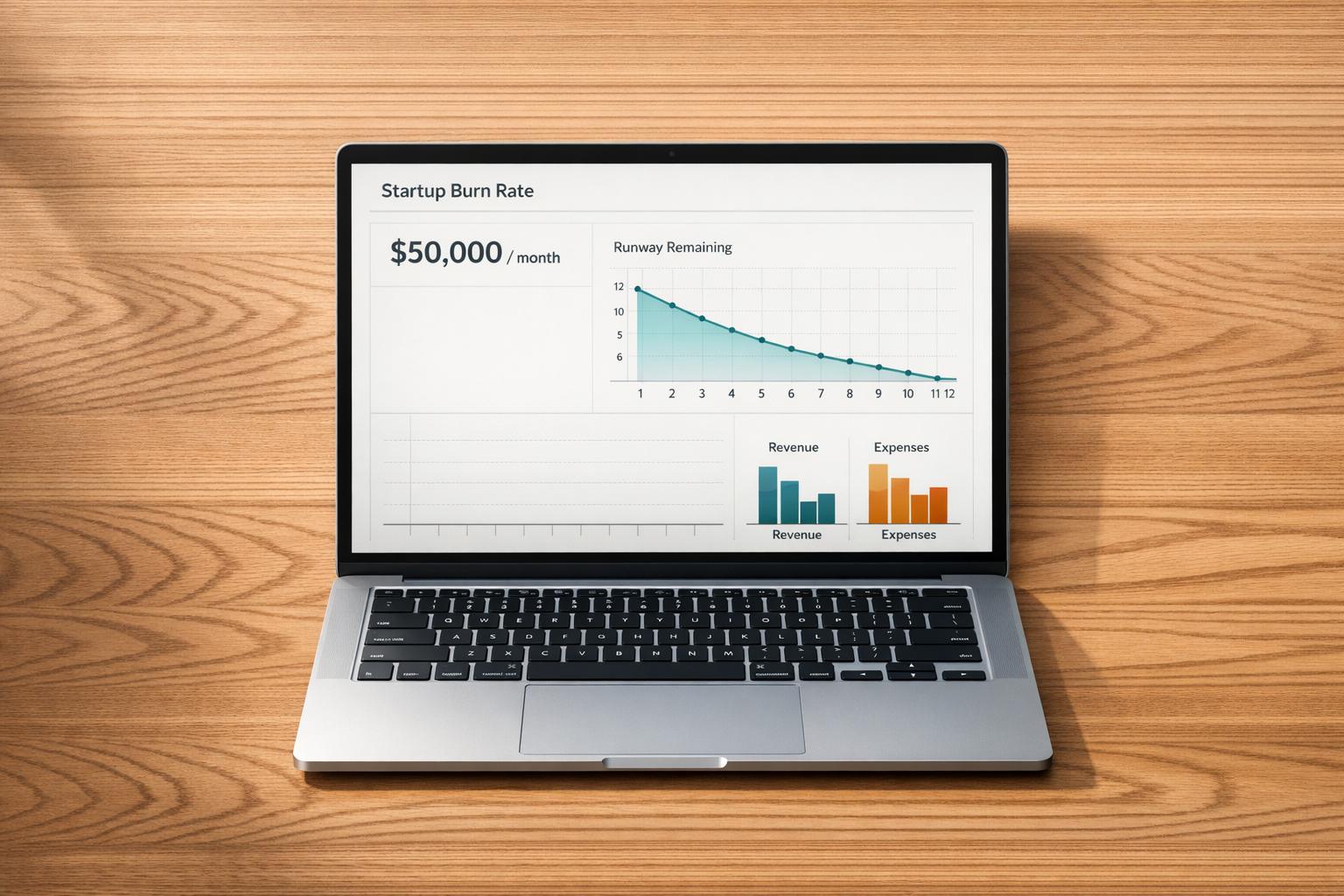
A burn rate calculator helps you see how quickly a company is using cash over time. For founders and finance operators, that number can shape hiring plans, fundraising timing, and day-to-day spending decisions. Instead of relying on rough estimates, this tool calculates total cash burned across a selected period and breaks it into an average monthly figure.
Start with your opening and closing cash balances, then enter the number of months in between. The calculator applies a simple formula: cash burned divided by time. If cash has dropped, your business is spending more than it’s bringing in. If cash is flat, your position is stable. If cash has grown, the result shows a negative burn, which means your cash balance improved.
You can also add monthly revenue and operating expenses to estimate net burn separately. That side-by-side view is useful because historical cash change and operating burn aren’t always the same thing. A good startup burn rate calculator helps you spot the difference quickly, giving founders and investors a clearer view of financial momentum without adding unnecessary complexity.
Burn rate shows how quickly a company’s cash position is changing over a set period. In this calculator, it’s based on the difference between starting cash and ending cash, divided by the number of months. A positive result means cash is going down, zero means it’s flat, and a negative result means cash has increased over time.
Historical burn rate looks backward at what happened to your cash balance over the chosen period. Net burn, on the other hand, uses monthly operating expenses minus monthly revenue to show what your current monthly cash drain looks like based on operating activity. Both are useful, but they answer slightly different questions, so this tool shows them separately when optional inputs are provided.
Yes, and that’s an important scenario to allow for. If your ending cash exceeds your starting cash, the calculator returns a negative burn rate. That signals your cash position improved during the selected period, which may happen because of profitable operations, financing, or other inflows.