Published on
February 27, 2026

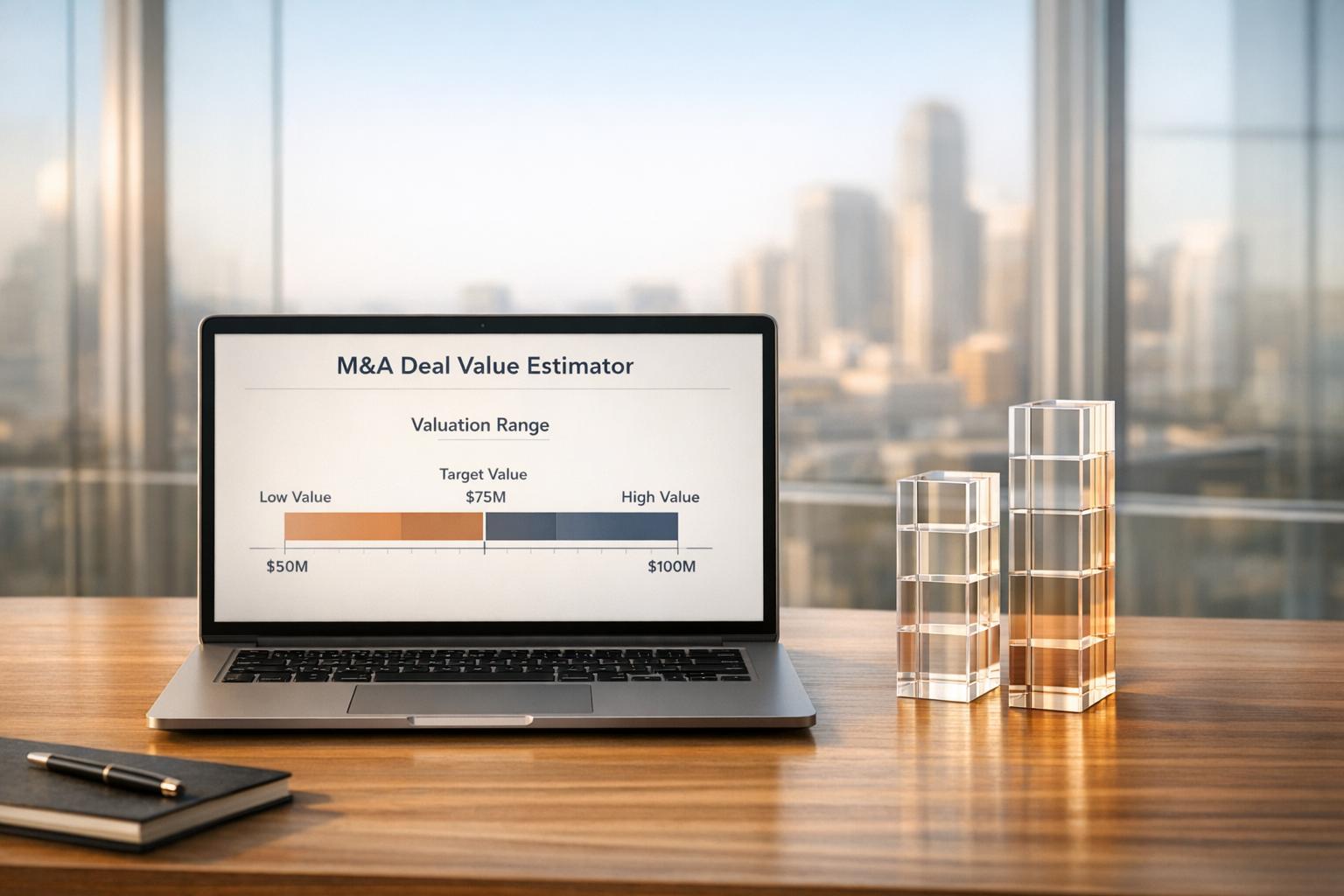
Navigating the world of mergers and acquisitions can feel like stepping into uncharted territory. Whether you're a business owner looking to sell or an investor eyeing a promising target, understanding the potential worth of a deal is crucial. That’s where a reliable merger value calculator comes in handy. It offers a quick way to gauge what a company might be worth based on key financial metrics and industry benchmarks.
Getting a sense of a company’s value before entering negotiations can save time and set realistic expectations. Tools designed for this purpose analyze inputs like revenue, growth rates, and debt to provide a range of possible figures. They don’t replace expert advice, but they do offer a solid starting point. For instance, knowing how factors like EBITDA margins impact valuation can help you ask the right questions during due diligence. Plus, with industry-specific data, you get insights tailored to sectors like tech or healthcare. If you’re exploring M&A opportunities, leveraging such a resource can give you the confidence to move forward—or walk away—based on informed estimates.
This tool provides a rough estimate based on standard industry valuation multiples and the data you input. It’s meant to give you a ballpark figure to start conversations or planning. However, actual deal values can vary widely due to market conditions, synergies, and other factors. Always consult a professional valuation expert or financial advisor for precise figures before making decisions.
Our estimator includes a range of sectors like healthcare, technology, finance, manufacturing, and more. Each industry has unique valuation multiples baked into the tool, so the output adjusts based on the sector you pick. If your industry isn’t listed, choose the closest match or reach out to us for help.
Debt plays a big role in determining a company’s net value during a merger or acquisition. High debt can lower the deal value since buyers often account for liabilities they’ll take on. By including this figure, our tool gives you a more realistic range that reflects the financial health of the target company.