Published on
March 31, 2026

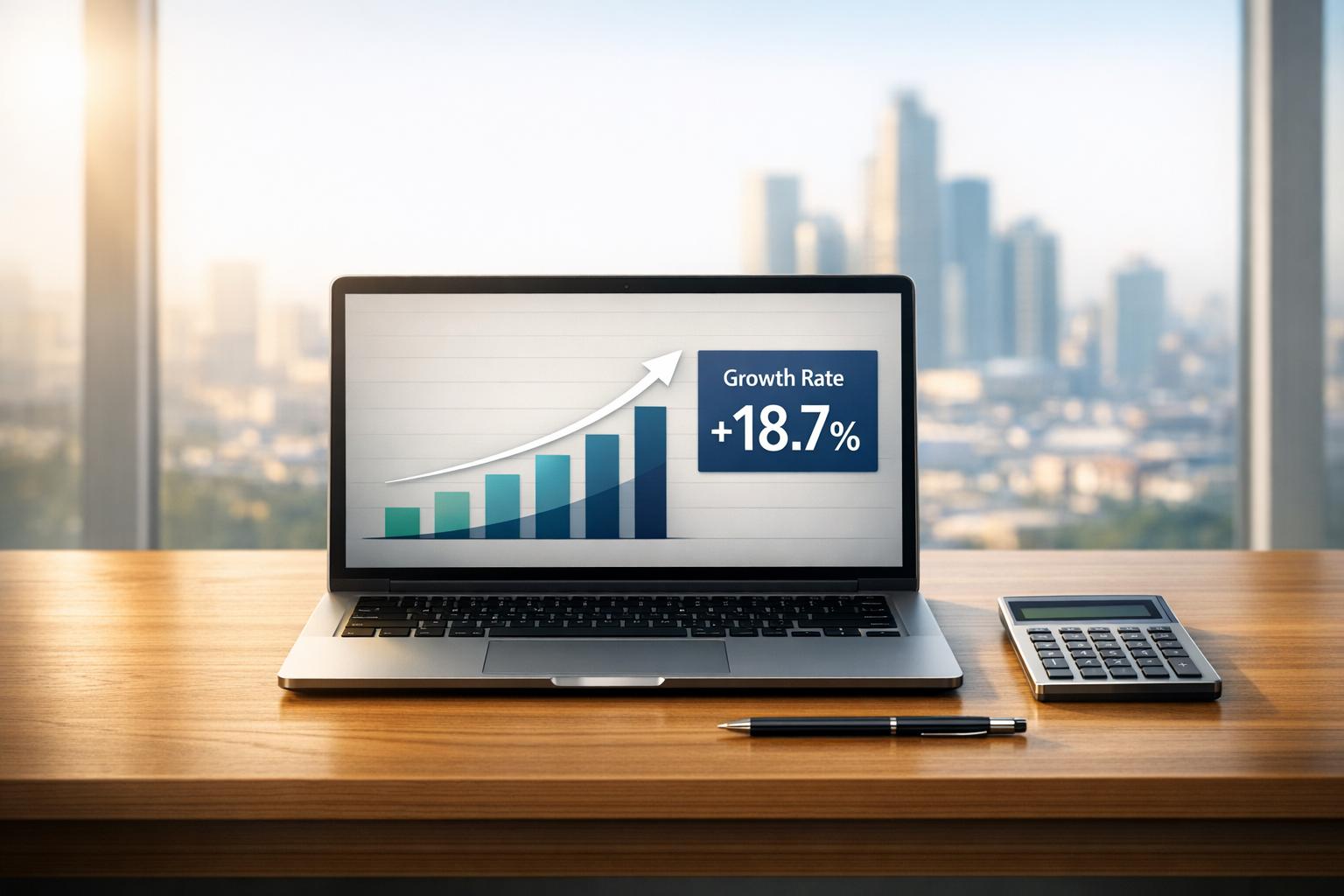
Running a business means keeping a close eye on the numbers, especially when it comes to revenue trends. A tool like the Financial Growth Rate Analyzer can be a game-changer for entrepreneurs and small business owners who want to understand their past performance and plan for what’s ahead. By calculating your compound annual growth rate (CAGR), you get a clear metric to gauge how your earnings have evolved over time.
Understanding your growth trajectory isn’t just about crunching numbers—it’s about making informed decisions. Whether you’re preparing for a funding round or setting internal targets, knowing your annualized growth percentage helps you benchmark against competitors and spot opportunities. Tools that simplify revenue forecasting take the guesswork out of planning, letting you focus on strategy instead of spreadsheets. Plus, with user-friendly interfaces, you don’t need to be a financial wizard to get meaningful insights.
If you’re ready to take control of your financial future, using a dedicated analyzer for business expansion metrics can provide the clarity you need. Start inputting your data today and see where your company could be headed tomorrow.
CAGR stands for Compound Annual Growth Rate, and it’s a handy way to measure how your revenue has grown over a specific period, smoothed out to an annual rate. Think of it as a snapshot of your business’s performance—whether you’re pitching to investors or just tracking progress, it shows the average yearly growth, accounting for ups and downs. It matters because it helps you understand trends and set realistic goals without getting bogged down by short-term fluctuations.
The projections are based on your historical data and assume that your growth rate will stay consistent into the next period. That said, they’re just estimates—market conditions, unexpected expenses, or shifts in strategy can all impact actual results. Use these numbers as a guide for planning, but always factor in external variables and consult with a financial advisor for big decisions.
For the most accurate results, we recommend inputting data for at least three past periods, whether that’s quarterly or yearly figures. If you have fewer, the tool can still run a basic calculation, but the growth rate might not reflect long-term trends as well. If you’re just starting out, try to gather as much historical data as possible to get a clearer picture of your trajectory.